Provider Algorithms Behind Progressive Jackpot Triggers in Digital Blackjack and Live Baccarat Sessions
Written by Yara Hayes · Sep 20, 2026
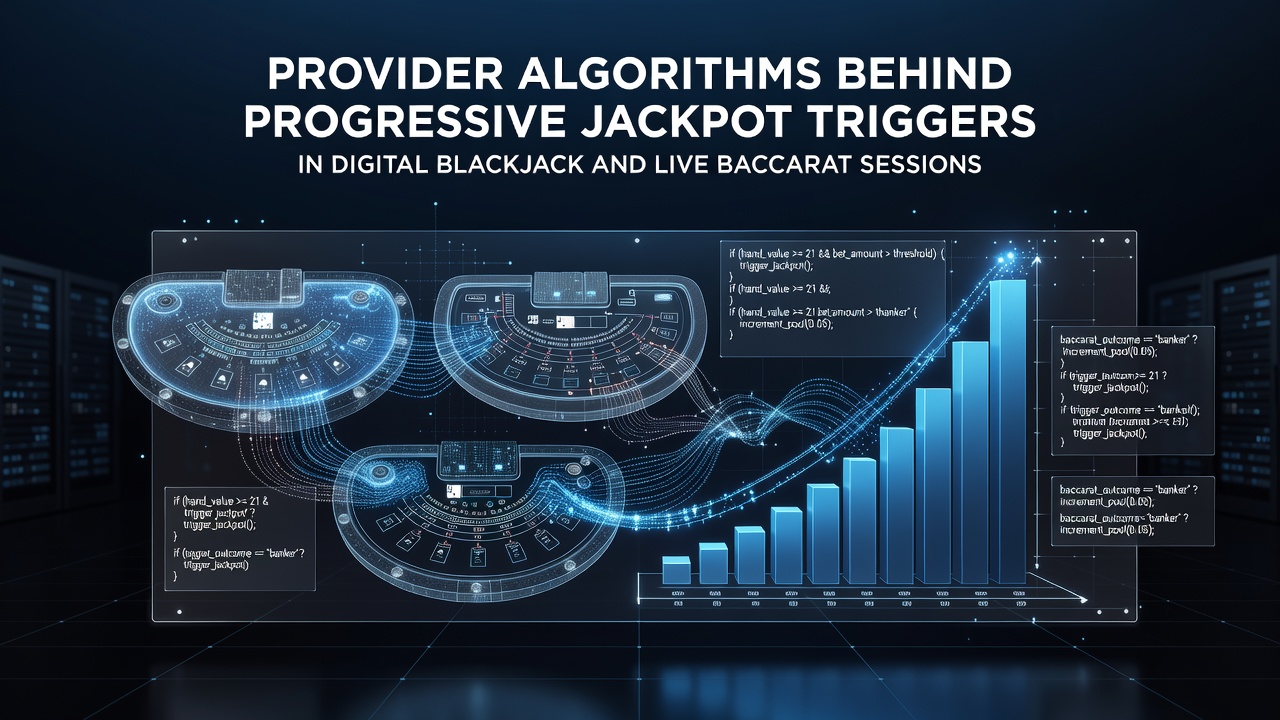
Software providers build progressive jackpot systems for digital blackjack and live baccarat around random number generators that determine trigger events through precise probability calculations and contribution mechanics. These algorithms pool a percentage of each wager into a growing prize pool while enforcing independent outcomes that meet regulatory standards for fairness and unpredictability. Digital blackjack sessions often tie jackpot triggers to specific card combinations such as suited aces or particular blackjack hands, yet the underlying code relies on continuous RNG sampling rather than fixed sequences. Providers configure the system so that each hand resolves against a weighted probability table that adjusts dynamically based on current pool size and historical trigger frequency data compiled through September 2026. Live baccarat operates under similar principles even though physical cards are drawn in real time; the jackpot component runs on a parallel RNG engine that evaluates every round for eligibility without influencing the main game result.Core Components of Jackpot Trigger Algorithms
Every provider maintains a multi-layered architecture that separates the base game RNG from the jackpot trigger module. The base RNG generates card values using cryptographic seeds refreshed at millisecond intervals, while the jackpot module monitors a separate stream of random values to decide whether a progressive win activates on that round. This separation prevents any correlation that could compromise game integrity.
Contribution rates typically range from 0.5 to 2 percent of each bet, and algorithms automatically recalculate pool growth against expected trigger intervals. When the pool reaches predetermined thresholds, the system may increase or decrease trigger probabilities within approved parameters to maintain mathematical return-to-player figures across extended play periods. Auditors review these adjustments through simulation runs that model millions of hands before deployment.
Implementation Differences Between Digital and Live Environments
Digital blackjack platforms execute all logic server-side, allowing providers to embed trigger checks directly into the game loop without latency concerns. Live baccarat sessions require the jackpot algorithm to interface with studio hardware and betting interfaces, so providers synchronize the RNG output with each physical card reveal through timestamped API calls. Both formats log every trigger evaluation for compliance reporting to bodies such as the New Jersey Division of Gaming Enforcement.
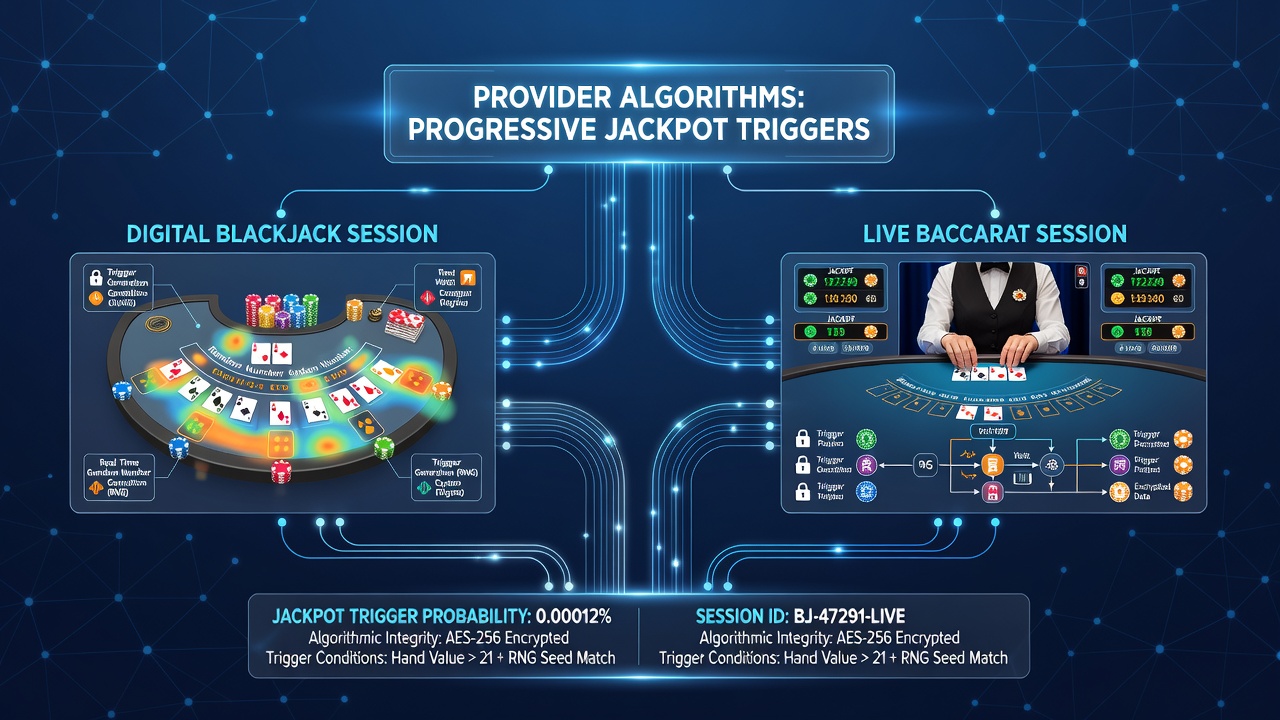
One study from the University of Nevada, Reno examined trigger distribution across 12 million simulated blackjack hands and found that properly calibrated algorithms produce trigger rates within 0.3 percent of theoretical targets. The same research team noted that live baccarat implementations require additional safeguards against timing attacks because physical card handling introduces micro-variations in round duration.
Regulatory Oversight and Testing Protocols
Independent testing laboratories evaluate jackpot algorithms against standards that cover seed generation, entropy sources, and long-term statistical behavior. Providers submit source code and compiled binaries for review, after which labs issue certificates valid for set periods. Any parameter change, including jackpot contribution percentages or trigger thresholds, triggers a fresh certification cycle.
Data collected across multiple jurisdictions shows that certified systems maintain consistent performance even when pool sizes fluctuate dramatically. Figures released in industry reports indicate average progressive pool growth rates of 18 to 24 percent annually in blackjack and baccarat titles that remain active over multi-year spans.
Conclusion
Provider algorithms for progressive jackpot triggers in digital blackjack and live baccarat rely on isolated RNG streams, dynamic probability tables, and audited contribution mechanics to deliver verifiable randomness. These systems operate independently of core game outcomes while satisfying oversight requirements from multiple regulatory authorities. Continued monitoring and recertification ensure that trigger events remain statistically sound as pool sizes and player volumes evolve.