Shifts in Online Gaming Habits: Moving from Free Slots to Paid Roulette Experiences
Written by Amir Coleman · Oct 18, 2026
Shifts in Online Gaming Habits: Moving from Free Slots to Paid Roulette Experiences
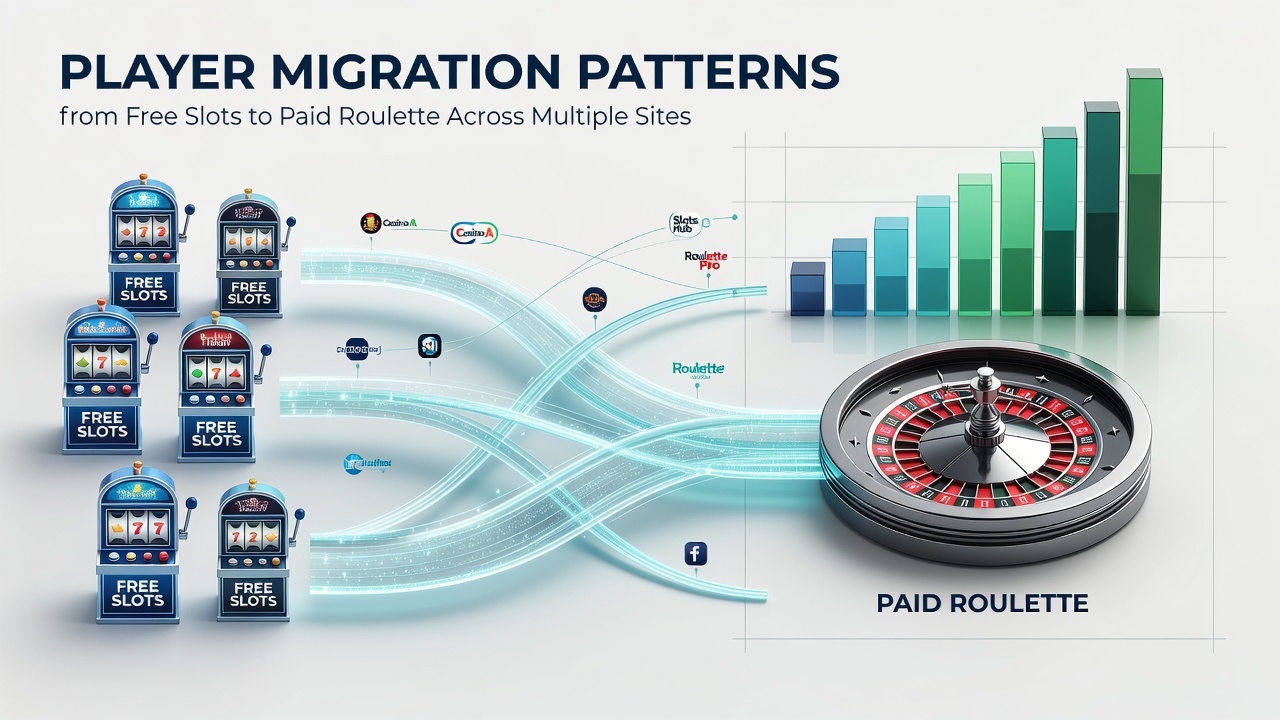
Player activity across digital gaming sites often begins with free slot offerings that require no financial commitment, and data collected through October 2026 reveals steady movement toward paid roulette sessions on multiple platforms as engagement deepens. Observers note that initial exposure to complimentary slot games serves as an entry point while patterns show users gradually exploring real-money roulette options when they seek different mechanics and higher stakes. Research indicates this migration occurs because roulette provides real-time decision making and community elements that contrast with the automated nature of most free slots.
Initial Exposure Through Free Slot Platforms
Many users start on sites that offer unrestricted access to slot titles without deposits, and studies from the American Gaming Association show these environments build familiarity with reel mechanics, bonus rounds, and payout structures. Those who spend extended periods on free slots frequently develop preferences for certain themes or volatility levels, which then influence their choice of paid games later. Figures from industry tracking reveal that players who log more than twenty hours on complimentary slots demonstrate higher rates of testing paid roulette variants within the same month, especially when sites promote cross-game incentives.
Engagement metrics collected across North American and Australian operators demonstrate that free slots reduce barriers for newcomers while they experiment with interface controls and sound design, yet the same data points to a tipping point where users seek the strategic layers present in roulette. What's interesting is how platform algorithms detect prolonged free play sessions and begin suggesting roulette tables that match the user's established risk tolerance from slot patterns.
Transition Triggers Across Multiple Sites
Transitions accelerate when users encounter promotions that convert free play credits into small real-money balances usable on roulette, and reports from the Australian Gambling Research Centre highlight that such offers increase migration rates by linking slot activity directly to table games. Multiple sites employ shared loyalty systems so progress made on free slots carries over as status points that unlock roulette features elsewhere, creating seamless movement between platforms. Data shows that players who switch sites during this phase often compare payout percentages and live dealer quality before committing funds to roulette.
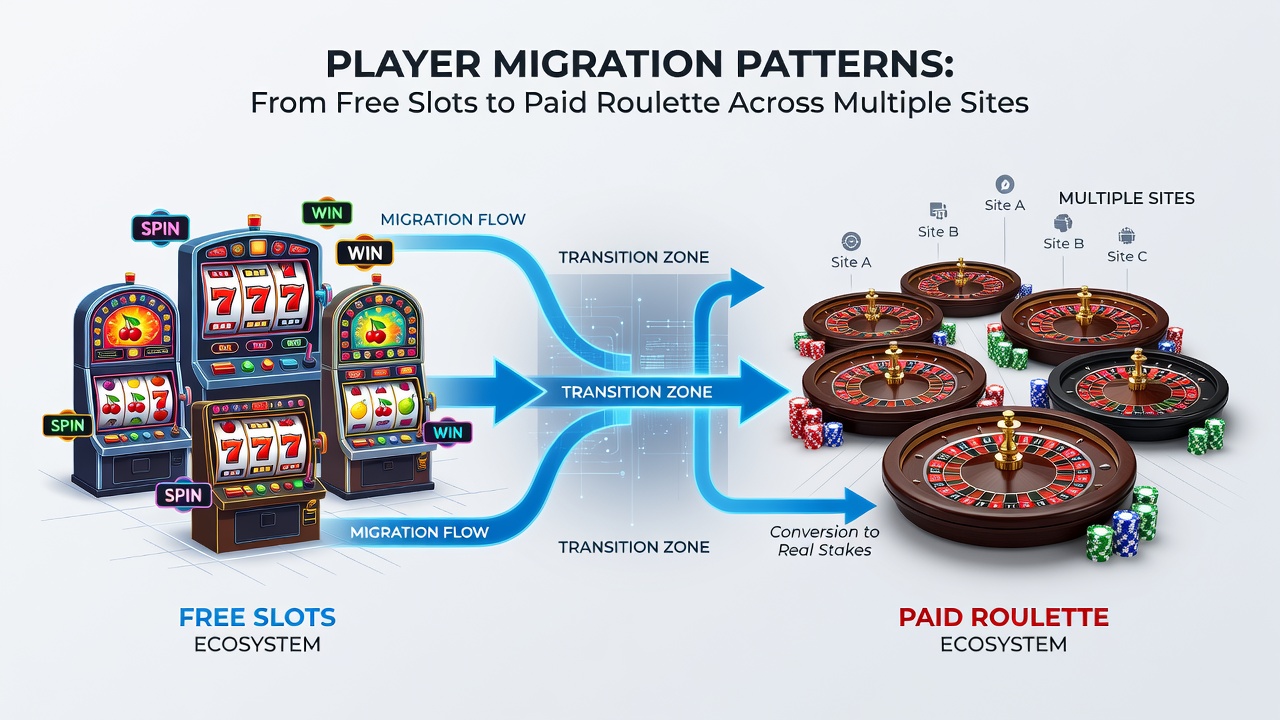
Seasonal spikes appear around major sporting events when operators bundle roulette tournaments with slot-based rewards, and researchers at the University of Nevada Las Vegas have documented corresponding increases in cross-site activity during these periods. Players who begin on one platform's free slots frequently migrate to another site's paid roulette because of superior mobile integration or faster withdrawal processing, illustrating how technical features drive movement beyond game type alone.
Behavioral Patterns and Platform Comparisons
Analytics from operators in Canada and parts of Europe indicate that users maintain accounts on several sites simultaneously, using free slots on one while testing paid roulette on another to minimize financial exposure during the shift. This multi-site approach allows comparison of wheel fairness and betting limits, and evidence suggests those who engage in such parallel activity complete the transition to paid roulette more quickly than single-platform users. Short sessions on free slots often precede longer roulette play, as the quick spin cycles of slots prepare players for the faster pace of table games.
Payment method integration plays a notable role because sites that accept the same deposit options across free and paid sections see smoother migrations, according to figures released by the Malta Gaming Authority. Players who have already verified accounts through free slot activity encounter fewer hurdles when funding roulette tables, reducing drop-off rates during the changeover.
Conclusion
Tracking data through October 2026 confirms consistent movement from free slot environments to paid roulette across diverse platforms, driven by promotional tools, loyalty integration, and differing game mechanics. Regulatory bodies in multiple regions continue to monitor these patterns to ensure responsible features accompany the transition process, while operators refine cross-site experiences based on observed user flows. The documented shift underscores how initial free engagement serves as a foundation for broader participation in real-money table games.